
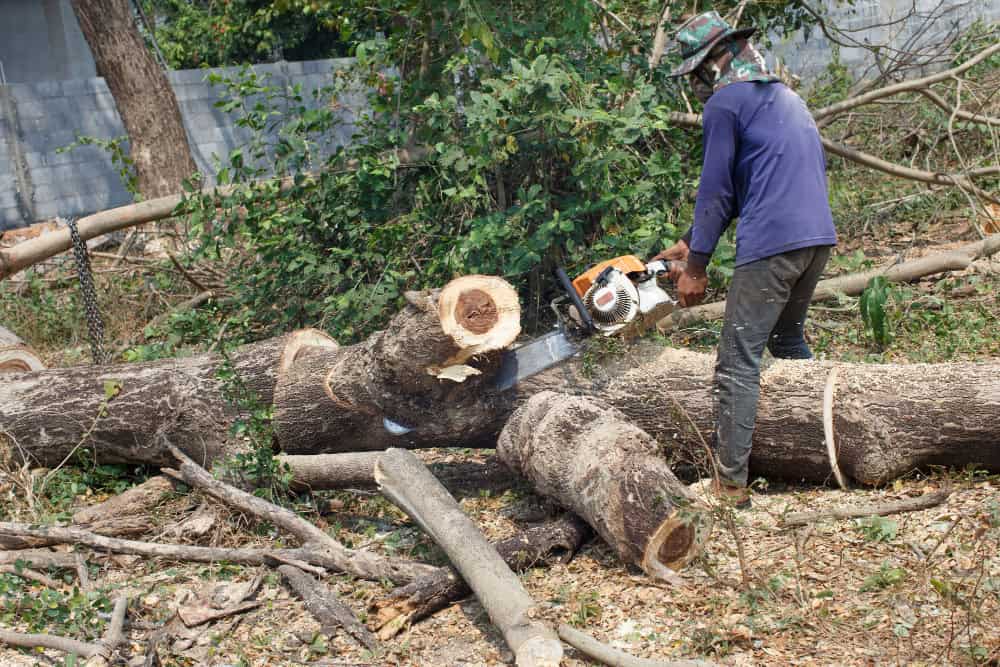
Trees and property foundations have a complex relationship that is often overlooked. As many people plant trees close to their homes, they do not fully understand the long-term structural impacts on their property. Trees provide shade to the house but can also block natural light from entering the home. While trees boost kerb appeal and property value, their presence or removal can impact nearby foundation stability.
Removing a large tree is safe if you worry about subsidence. However, in clay-rich soils, it can cause more ground movement. You need proper planning and a professional assessment to manage these risks effectively.
Table of Contents
ToggleWhat Is the Relationship Between Tree and Foundations?
Trees can enhance the aesthetic appeal of your property, but their roots and water demand can pose a danger to your home’s foundation. Roots seldom damage foundations directly; the primary issue is soil moisture movement.
In clay-heavy soils across many UK areas, tree roots extract substantial moisture. This causes soil to shrink during dry spells, which can lead to subsidence. Over time, this downward movement could lead to foundation settlement, wall cracks, and increased structural stress.
When a mature tree is removed, the soil often absorbs water and swells, a process called soil heave. Foundations that have adapted to dry soil over many years may then lift as the ground expands.
What Happens to Soil After Tree Removal?
Moisture Imbalance and Soil Movement
Soil water retention can change rapidly after the sudden removal of a tree. After a rainstorm, water can stay longer due to the absence of tree roots. In shrink-swell clay soils, this can cause expansion. During dry weather, the soil may contract again. So, for a nearby foundation, both these ongoing cycles of expansions and contractions can be dangerous.
Both upward and downward ground movements can exert stress on shallow foundations.
Decay of Remaining Roots
The tree roots do not disappear quickly after the tree is removed. Instead, they slowly decay over several years. As roots decompose, empty spaces are created in the soil. This can cause the ground to settle unevenly. Removing a more extensive root system can lead to cracks in driveways, dips in the yard, or, in some cases, foundation shifting.
The larger the tree and root system, the greater the potential for long-term soil adjustment.
Altered Drainage Patterns
Trees not only absorb water but also affect its movement through your yard. Their canopies and roots, which intercept rain and direct surface runoff away from the foundation, help protect the structure. However, when a tree is removed, the drainage around your house can change. After heavy rain, water may pool in the area where the tree once stood. This accumulation of water can occur against the foundation, increasing hydrostatic pressure and potentially leading to slab infiltration.
Signs of Foundation Problems After Tree Removal
If you are worried about experiencing foundation issues after tree removal, then check these warning signs:
- Widening Cracks in Walls and Brickwork: In the absence of the tree roots, the foundation’s existing cracks become more visible.
- Sudden Appearance of Cracks: As roots provide stability to the soil, their removal can cause new cracks to appear in the foundation of your property.
- Doors and Windows Sticking or Becoming Misaligned:There will be difficulty with doors opening and closing after the removal of the tree.
- Notable Soil Moisture Changes Near Foundations: The moisture content of the foundation soil can change after tree removal, leading to soil shrinkage and affecting the foundation’s stability.
- Visible Damage to Nearby Structures: Due to potential foundation issues, other structures, such as patios or walkways, may also be damaged.
Identifying early enables prompt professional assessment.
UK Soil Conditions and Why They Matter?
In the UK, clay soils tend to shrink and expand significantly. Regions like London and the South East are well known for shrink-swell clay. If a mature tree that has been drawing moisture from the clay for years is suddenly removed, it can lead to significant rehydration and soil swelling.
The risk is higher if foundations are shallow or if the property has a history of subsidence. Professional guidance from reliable companies before removing large trees near buildings is strongly advised.
How to Prevent Foundation Problems After Tree Removal?
There are various measures to safeguard your foundation if you plan to eliminate a large tree:
- To reduce rapid expansion, ease the soil into its new state after removing the tree; water the area gradually.
- Think about installing a root barrier to reduce the regrowth of roots after removing a tree near your foundation.
- For evaluating the risk of soil heave, consult with a soil expert before removing a tree.
- Watch for indications of movement in the months after removal, particularly during rainy seasons.
Conclusion
Before planting or removing a tree near your home, it is crucial to understand its impact on the foundation. Trees can enhance the beauty and value of your property, while their removal may cause soil heave and expansion. While removing a tree may sometimes be necessary, doing so without a specialised evaluation can increase the risk of structural problems.
Homeowners can reduce movement and safeguard their property’s long-term stability by understanding soil behaviour, managing drainage, and consulting foundation specialists.