
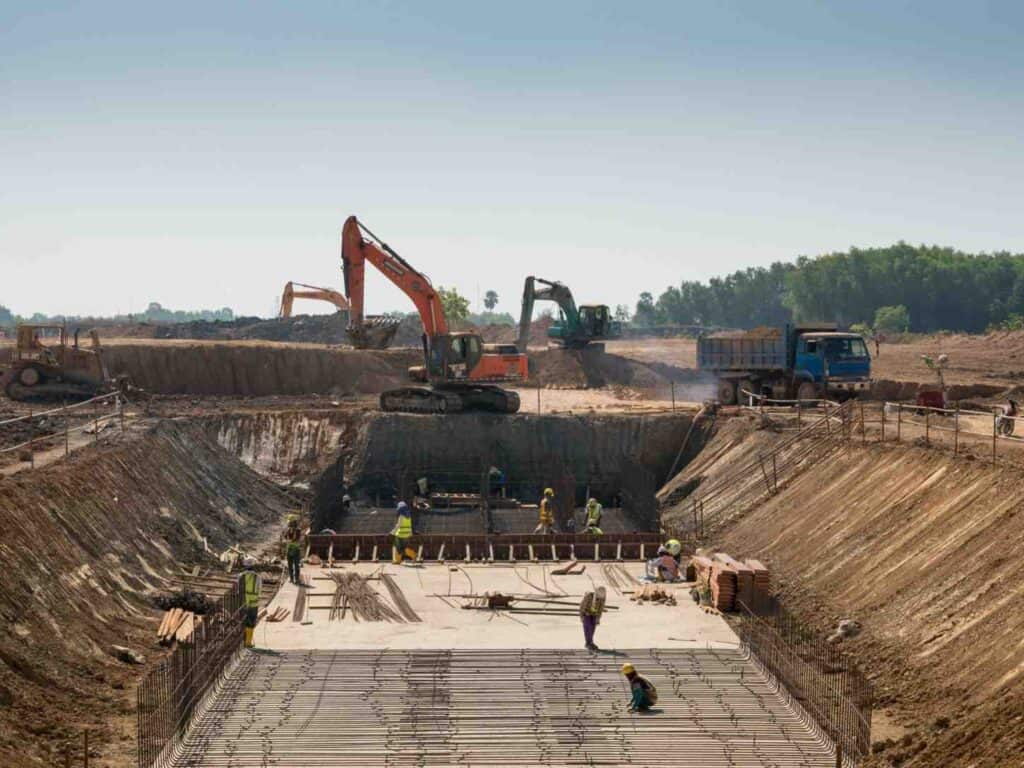
Groundworks are the essential preparation works carried out before construction begins. They include site clearance, excavation, drainage installation, foundations, utility connections, and ground preparation to ensure a building has a safe and stable base. Groundworks costs in the UK typically range from £5,000 to £50,000+, depending on the project size, ground conditions, foundation type, drainage requirements, access restrictions, and location. Proper groundworks help prevent structural problems, drainage issues, and costly repairs later in the construction process.
Table of Contents
ToggleWhy Groundworks Is It Important?
Every successful building project starts long before walls are built or roofs are installed. The first and arguably most important stage of construction is groundworks. Without proper preparation of the land, even the most well-designed structure can face serious issues in the future.
Groundworks refers to all the tasks required to prepare a site before the main construction begins. These activities create a stable and secure foundation for buildings, roads, extensions, commercial developments, and infrastructure projects.
Whether you are building a new home, constructing a commercial property, or adding an extension, groundworks play a crucial role in ensuring the project is completed safely and efficiently.
Groundworks form the backbone of any construction project because they help establish structural integrity from the ground up. Poor groundwork can lead to subsidence, drainage failures, cracking foundations, and expensive remedial work.
What Does Groundworks Include?
Groundworks involve a wide range of services depending on the type and size of the project.
Site Clearance
Before construction starts, the site must be cleared of any obstacles. This can include removing vegetation, trees, old structures, waste materials, and debris.
Site clearance ensures contractors have a safe and accessible area to work on while preparing the ground for excavation.
Excavation and Earthworks
Excavation is one of the most common groundwork activities. It involves digging trenches, levelling land, and removing soil to prepare the site for foundations and underground services.
The amount of excavation required depends on the design of the structure, the condition of the ground, and the depth of the foundations.
Foundations
Foundations are one of the most critical elements of any building project. Their purpose is to transfer the weight of the structure safely into the ground.
Common foundation types include:
- Strip foundations
- Trench fill foundations
- Raft foundations
- Piled foundations
- Pad foundations
The foundation type required depends on the building design and ground conditions.
Drainage Installation
Effective drainage systems prevent water accumulation and protect structures from water damage.
Groundworks often include:
- Surface water drainage
- Foul water drainage
- Soakaways
- Inspection chambers
- Drain connections
A well-designed drainage system helps maintain the long-term stability of the property.
Utility Connections
Construction projects often require connections to essential services such as:
- Water supply
- Electricity
- Gas
- Telecommunications
- Sewer systems
Groundwork contractors prepare trenches and install infrastructure required for these connections.
Ground Stabilisation
Some sites contain weak or unstable ground that requires additional treatment before construction can begin.
Ground stabilisation methods may include:
- Soil improvement
- Ground reinforcement
- Piling systems
- Compaction works
These measures improve the load-bearing capacity of the site.
Roads and Access Preparation
For larger developments, groundwork contractors may also construct:
- Access roads
- Driveways
- Car parks
- Pathways
- Kerbing systems
These features provide safe access throughout the development.
Why Are Groundworks Essential?
Many people focus on the visible parts of construction while overlooking what happens beneath the surface.
Groundworks are essential because they:
- Create a stable foundation
- Improve drainage performance
- Prevent subsidence
- Reduce future maintenance costs
- Ensure compliance with building regulations
- Improve structural safety
- Support utility installations
- Prepare the site for efficient construction
Skipping or rushing groundwork stages often results in expensive structural problems later.
How Much Do Groundworks Cost in the UK?
Groundworks costs can vary significantly depending on the project requirements.
There is no universal price because every site presents unique challenges and conditions.
However, understanding average costs can help with budgeting.
Typical Groundworks Cost Ranges
Groundworks Service | Average UK Cost |
Site clearance | £500 – £5,000 |
Excavation works | £1,000 – £10,000+ |
Drainage installation | £2,000 – £15,000+ |
Foundations | £4,000 – £25,000+ |
Utility connections | £1,500 – £10,000+ |
Piling foundations | £10,000 – £50,000+ |
New build groundworks package | £15,000 – £50,000+ |
These figures represent average estimates and can vary based on location and project complexity.
Factors That Affect Groundworks Costs
Several key factors influence the final price of groundworks in the UK.
Site Size
Larger sites require more labour, machinery, and materials.
A small residential extension will naturally cost far less than a large housing development or commercial construction project.
Ground Conditions
The condition of the soil has a major impact on costs.
Difficult ground conditions such as:
- Clay soil
- Peat soil
- Waterlogged land
- Contaminated ground
- Rocky terrain
often require additional excavation, stabilisation, or piling work.
Foundation Requirements
Different foundation systems have different costs.
Standard strip foundations are generally more affordable, while piled foundations are considerably more expensive due to specialist equipment and engineering requirements.
Drainage Complexity
Sites requiring extensive drainage networks, soakaways, or pumping systems will increase project costs.
Poor drainage conditions often require more detailed engineering solutions.
Access Restrictions
Sites with limited access may require smaller machinery or manual labour.
Restricted access can increase labour time and project costs.
Location
Groundworks costs often vary throughout the UK.
Projects in London and the South East generally have higher labour and material costs compared to other regions.
Utility Connections
Connecting a site to existing utility networks can add significant costs, especially if services are located far from the property boundary.
Groundworks for House Extensions
Groundworks are often required for house extensions.
Typical groundwork activities include:
- Site clearance
- Excavation
- Foundation construction
- Drainage alterations
- Utility diversions
For a standard domestic extension, groundwork costs often range from £5,000 to £15,000 depending on the size and complexity of the project.
Groundworks for New Build Homes
New build projects involve more comprehensive groundwork requirements.
The process typically includes:
- Site surveys
- Excavation
- Foundation installation
- Drainage systems
- Utility infrastructure
- Ground floor preparation
Groundworks can account for a significant portion of the overall construction budget.
Many self-build projects allocate between 10% and 20% of total construction costs to groundwork activities.
What Is Piling and When Is It Needed?
Piling is a specialist groundwork technique used when shallow foundations are unsuitable.
Piles are driven or drilled deep into the ground to transfer building loads to stronger soil layers below.
Piling is commonly required when:
- Ground is unstable
- Soil bearing capacity is low
- Large structures are being built
- Nearby structures limit excavation depth
Although piling increases upfront costs, it provides long-term structural stability.
Companies such as Southern Foundations & Piling specialise in foundation engineering and piling solutions where challenging ground conditions require more advanced support systems.
How Long Do Groundworks Take?
Project duration varies depending on site conditions and scope.
Typical timescales include:
Small Extension
1 to 2 weeks
Medium Residential Project
2 to 6 weeks
New Build Home
4 to 12 weeks
Large Commercial Development
Several months
Weather conditions, planning requirements, and unforeseen ground issues can affect completion times.
How Can You Reduce Groundworks Costs?
While groundwork should never be compromised, there are ways to manage costs effectively.
Conduct a Site Survey Early
A professional site investigation helps identify potential challenges before construction begins.
This reduces the likelihood of unexpected expenses.
Use Experienced Contractors
Experienced groundwork specialists can complete projects efficiently while minimising costly mistakes.
Plan Utility Connections Early
Coordinating service connections during the planning stage can help avoid delays and additional excavation costs.
Ensure Accurate Designs
Detailed engineering drawings help prevent design changes that may require expensive alterations during construction.
Common Groundwork Mistakes to Avoid
Property owners should avoid several common mistakes.
Choosing Contractors Based Only on Price
The cheapest quote is not always the best option.
Poor workmanship can lead to expensive structural repairs in the future.
Ignoring Drainage Requirements
Inadequate drainage can cause flooding, damp issues, and foundation movement.
Skipping Ground Investigations
Without understanding site conditions, unexpected costs often arise during construction.
Underestimating Access Challenges
Restricted access can significantly affect project budgets and timescales.
Conclusion
Groundworks are one of the most important stages of any construction project. They provide the foundation upon which everything else depends. From site clearance and excavation to drainage, utility installation, and foundation construction, quality groundworks ensure a safe, stable, and long-lasting structure.
Groundworks costs in the UK vary depending on factors such as project size, soil conditions, location, drainage requirements, and foundation design. While costs can range from a few thousand pounds for small projects to tens of thousands for larger developments, investing in professional groundwork services helps prevent costly structural issues later.
Whether you are planning a house extension, self-build home, commercial development, or infrastructure project, understanding the role of groundworks and budgeting appropriately can help ensure a successful build from the very beginning.
Frequently Asked Questions
What is included in groundworks?
Groundworks typically include site clearance, excavation, foundations, drainage installation, utility connections, ground preparation, and access road construction depending on the project requirements.
How much do groundworks cost for a house in the UK?
Groundworks for a new house can typically cost between £15,000 and £50,000 or more, depending on the size of the property, foundation requirements, and ground conditions.
Why are groundworks important before construction?
Groundworks create a stable and secure base for the structure, prevent drainage issues, improve safety, and ensure compliance with building regulations.
What factors affect groundworks costs the most?
The biggest cost factors include site size, soil conditions, excavation requirements, drainage systems, foundation type, access restrictions, and location.
Can poor groundworks cause structural problems?
Yes. Poorly executed groundworks can lead to foundation movement, subsidence, cracking walls, drainage failures, and costly repairs in the future.