
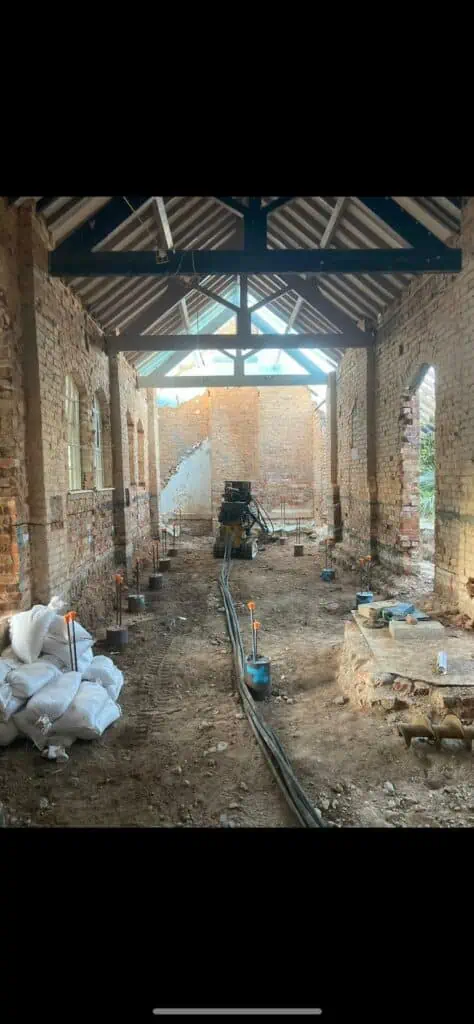
Mini piling is a specialist foundation method that uses small-diameter piles to transfer a building’s weight into strong, load-bearing ground beneath weak soil. It is commonly used for house extensions, new builds, underpinning, and restricted access sites. Mini piling offers fast installation, low vibration, excellent structural stability, and is an effective solution where traditional foundation methods are not suitable.
Building a strong and stable foundation is one of the most important parts of any construction project. Whether you are constructing a new home, extending an existing property, or working on a commercial development, the foundation must be capable of supporting the structure safely for many years. However, traditional foundation methods are not always suitable, particularly where ground conditions are poor or access is limited. This is where mini piling offers an excellent solution. At Southern Foundations & Piling, mini piling is widely used to provide durable and cost-effective foundations for projects where conventional piling methods may not be practical.
Mini piling is a specialist foundation technique that uses small-diameter piles to transfer the weight of a structure through weak or unstable soil into stronger ground beneath the surface. These piles are installed using compact machinery, making them ideal for confined spaces, urban environments, and projects with restricted access.
Today, mini piling is used across residential, commercial, and industrial construction because it provides a reliable foundation while reducing disruption during installation.
Table of Contents
ToggleWhat Is Mini Piling?
Mini piling is a deep foundation system designed for sites where traditional piling equipment cannot be used. The piles are usually between 100mm and 300mm in diameter and are installed deep into the ground until they reach stable soil or rock capable of supporting the structure above.
Unlike shallow foundations, mini piles bypass weak upper soil layers, significantly reducing the risk of settlement or structural movement. They are particularly useful where excavation is difficult or where neighbouring buildings must be protected from excessive vibration.
How Does Mini Piling Work?
Every mini piling project begins with a detailed site investigation. Engineers assess the soil conditions, groundwater levels, and the expected structural loads before selecting the most suitable piling system.
The installation process generally involves:
- Surveying the site
- Drilling or driving the piles into the ground
- Installing steel reinforcement where required
- Filling piles with concrete or grout
- Connecting the piles using reinforced concrete beams or pile caps
Once completed, the piles distribute the building’s weight safely into stronger ground, creating a stable and long-lasting foundation.
Types of Mini Piling
Several mini piling systems are available depending on the project’s requirements.
Driven Mini Piles
Driven mini piles are installed by driving steel piles directly into the ground using hydraulic equipment. They are ideal for projects requiring fast installation and minimal excavation.
Bored Mini Piles
Bored mini piles are created by drilling holes before inserting reinforcement and concrete. They generate very little vibration, making them suitable for properties close to existing buildings.
Grouted Mini Piles
These piles are formed by drilling into the ground and injecting cement grout around steel reinforcement. Grouted piles perform particularly well in difficult ground conditions.
Helical Mini Piles
Helical mini piles are screw-shaped steel piles rotated into the ground. They require minimal excavation and can often support loads immediately after installation.
Advantages of Mini Piling
Mini piling has become increasingly popular because it offers many practical benefits.
Perfect for Restricted Access
Compact piling rigs can operate in areas where larger machinery cannot reach, including rear gardens, narrow driveways, basements, and city-centre developments.
Suitable for Poor Ground Conditions
Mini piles transfer structural loads beyond unstable soils into stronger ground, providing excellent long-term stability.
Low Noise and Vibration
Compared with traditional piling methods, mini piling creates less noise and vibration, making it ideal near residential properties, schools, hospitals, and listed buildings.
Faster Installation
Mini piling can often be completed more quickly than conventional foundation methods, helping construction projects stay on schedule.
Cost-Effective
By reducing excavation, labour, and waste removal, mini piling can provide an economical solution for many construction projects.
Environmentally Friendly
Mini piling produces less spoil, requires smaller machinery, and causes less disruption to the surrounding environment.
Where Is Mini Piling Used?
Mini piling is suitable for a wide variety of construction projects, including:
- House extensions
- New-build homes
- Apartment blocks
- Commercial buildings
- Industrial units
- Schools
- Hospitals
- Bridges
- Retaining walls
- Basement developments
- Structural underpinning
Its flexibility makes it one of the most versatile foundation systems available.
Mini Piling for House Extensions
House extensions often require stronger foundations than existing structures can provide. Where soil conditions are poor, mini piling ensures the additional weight is safely transferred into stable ground below.
Because the equipment is compact, installers can work in rear gardens or confined spaces without causing unnecessary disruption.
Mini Piling for Underpinning
Mini piling is frequently used for underpinning buildings that have experienced foundation movement or subsidence.
The process strengthens existing foundations by transferring loads to deeper, more stable soil layers. This helps prevent further structural movement and extends the lifespan of the building.
Factors Affecting Mini Piling Costs
The overall cost depends on several factors, including:
- Ground conditions
- Number of piles required
- Pile depth
- Structural load
- Site accessibility
- Type of piling system
- Project size
A professional site investigation is essential for obtaining an accurate quotation.
Why Choose Professional Mini Piling Contractors?
Mini piling requires specialist knowledge, equipment, and engineering expertise. Experienced contractors carry out detailed ground investigations, design suitable piling systems, and ensure every installation complies with current building regulations.
Choosing a reputable contractor also helps minimise delays, improve safety, and ensure long-term structural performance.
Conclusion
Mini piling is an effective and reliable foundation solution for projects where traditional foundations are unsuitable. Whether dealing with restricted access, weak ground conditions, or structural underpinning, mini piling provides exceptional strength while minimising disruption during construction.
Its versatility, speed of installation, and ability to support both residential and commercial structures make it one of the most trusted foundation techniques used across the construction industry. By investing in professionally designed and installed mini piles, property owners can enjoy greater structural stability, improved safety, and peace of mind for many years to come.
Frequently Asked Questions
What is mini piling used for?
Mini piling is used to provide strong foundations for buildings where ground conditions are poor, access is restricted, or traditional foundations are unsuitable.
Is mini piling suitable for house extensions?
Yes. Mini piling is widely used for house extensions because compact machinery can work in confined spaces while providing stable support for the new structure.
How long does mini piling last?
When professionally designed and installed, mini piles can last for many decades and provide reliable long-term structural support.
What are the advantages of mini piling?
Mini piling offers restricted access installation, reduced vibration, faster construction, suitability for poor ground conditions, and lower environmental impact.
Is mini piling more affordable than traditional piling?
In many cases, yes. Mini piling can reduce excavation, labour, and project times, making it a cost-effective solution depending on the site’s conditions.