
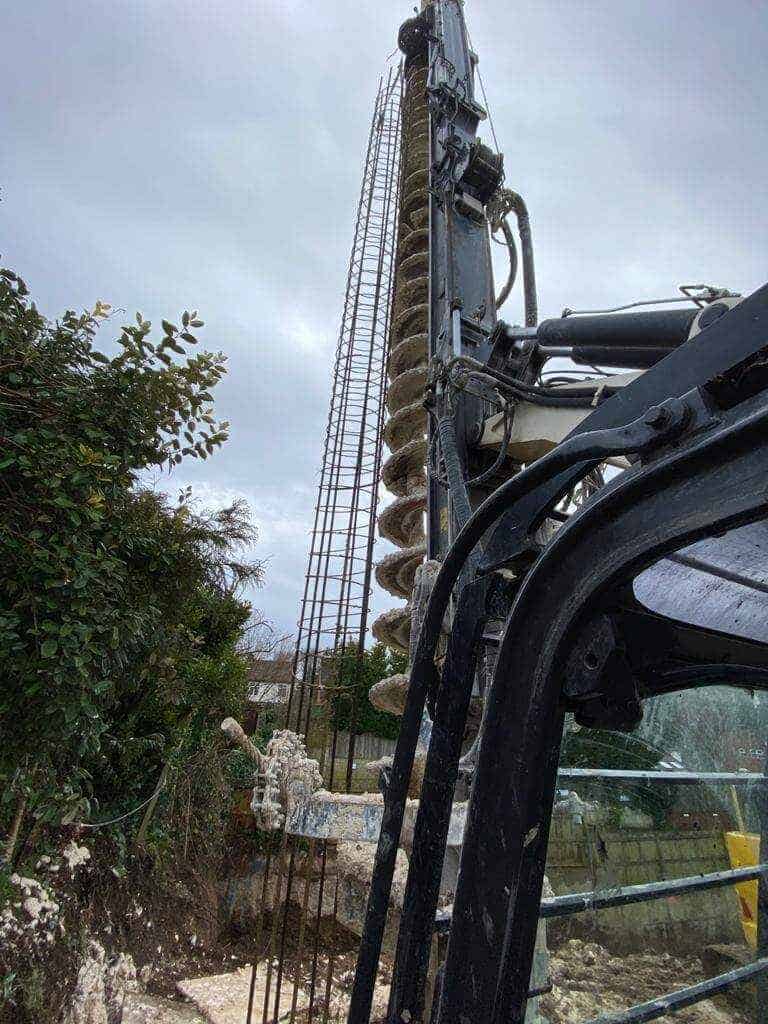
Screw piling is a deep foundation method that uses steel piles with spiral-shaped helical plates. The piles are rotated into the ground using specialist machinery, allowing them to reach suitable load-bearing soil. They can provide fast installation, reduced excavation and minimal ground disturbance, making them useful for extensions, new buildings and restricted-access construction sites. The correct pile design depends on soil conditions, structural loads and professional engineering assessment.
If you are planning a construction project on challenging ground, you may come across the term screw piling. But what is screw piling, and why is it becoming a popular foundation solution for residential, commercial and civil engineering projects? Screw piling is a foundation technique that uses specially designed steel piles with helical plates, which are rotated and installed deep into the ground to provide stable support for a structure. Companies such as Southern Foundations & Piling use specialist piling solutions to help construction projects achieve reliable foundations where conventional methods may not be suitable.
Screw piling, also known as helical piling or screw piles, is a type of deep foundation system designed to transfer structural loads into stronger layers of soil.
Unlike traditional concrete foundations, screw piles are generally manufactured from steel and feature one or more spiral-shaped plates, known as helices. These helices allow the pile to be rotated into the ground in a similar way to a large screw being driven into a material.
As the pile moves deeper into the soil, the helical plates provide resistance and help support the loads transferred from the structure above.
The installation depth, pile diameter, helix configuration and overall design depend on factors such as soil conditions, structural requirements and the anticipated loads.
Table of Contents
ToggleHow Does Screw Piling Work?
The basic principle behind screw piling is relatively straightforward.
A screw pile consists of a steel shaft fitted with one or more helical plates. Specialist installation equipment applies rotational force to turn the pile into the ground.
As the pile advances, the helices engage with the surrounding soil. The pile continues downwards until it reaches the required depth or achieves the specified installation criteria.
Once installed, the pile transfers loads from the structure into the surrounding ground through a combination of the pile shaft and helical plates.
The exact design and installation process should always be determined by qualified professionals following appropriate site investigations and engineering calculations.
What Are Screw Piles Made From?
Screw piles are commonly manufactured from steel because it provides the strength and durability required to support structural loads.
The main components typically include:
- Steel shaft: The central structural element of the pile.
- Helical plates: Spiral plates welded around the shaft to help the pile penetrate the ground and provide load-bearing capacity.
- Connection sections: Components that allow pile sections to be connected where greater installation depths are required.
- Pile head: The upper section that connects the installed pile to the structure or supporting framework.
Depending on the project, steel piles may receive protective treatments or coatings designed to improve durability in particular ground conditions.
Why Are Screw Piles Used?
The primary purpose of screw piling is to provide a stable foundation where conventional shallow foundations may not be appropriate.
For example, a building site may have weak surface soil that cannot safely support the proposed structure. Instead of relying entirely on shallow foundations, screw piles can be installed deeper into the ground to transfer loads to more suitable soil layers.
They can also be useful where access is restricted or where construction work needs to minimise disturbance to the surrounding area.
Advantages of Screw Piling
Screw piling offers several potential benefits, depending on the project and ground conditions.
Fast Installation
One of the main advantages is the speed at which screw piles can often be installed.
Because the piles are mechanically rotated into the ground, installation can be considerably quicker than some traditional foundation methods.
This can help reduce the time spent on foundation works and allow subsequent construction stages to begin sooner.
Minimal Excavation
Screw piling generally requires much less excavation than many conventional foundation techniques.
The piles are installed directly into the ground rather than requiring large areas to be dug out and filled with concrete.
This can reduce spoil generation and help keep the construction site more manageable.
Suitable for Restricted Access
Some construction sites have limited access for large machinery. Extensions, rear gardens and properties surrounded by existing buildings can present particularly difficult access conditions.
Specialist piling equipment can sometimes be used in confined spaces, making screw piles a potential solution where conventional piling machinery may be difficult to operate.
Reduced Ground Disturbance
Because screw piles are installed by rotation rather than extensive excavation or impact driving, they can provide a relatively low-disturbance foundation method.
This can be particularly useful on sites where nearby buildings, landscaping or existing structures need to be protected.
Immediate Structural Support
Once a screw pile has been properly installed and verified according to the project requirements, it can generally be incorporated into the foundation system without waiting for concrete to cure in the same way that some conventional concrete foundation methods require.
However, the exact construction sequence depends on the project design.
Where Is Screw Piling Used?
Screw piles can be used in a wide variety of construction applications.
Residential Extensions
Home extensions can sometimes present difficult foundation conditions, particularly when there is restricted access around the property.
Screw piling can offer a practical option where traditional foundations would require extensive excavation.
New Buildings
Depending on the structural design and ground conditions, screw piles may be used as part of the foundation system for new buildings.
Temporary Structures
Some temporary structures require foundations that can be installed and, in certain circumstances, removed with less disruption than permanent traditional foundations.
Screw piles can be considered for applications where temporary foundation systems are appropriate.
Decking and Platforms
Smaller structures such as raised platforms, boardwalks and decking can sometimes benefit from screw pile systems, particularly where conventional excavation would be inconvenient.
Industrial and Commercial Projects
Screw piling can also be used in commercial and industrial construction where ground conditions, installation speed or site access make the technique appropriate.
The suitability of the system depends on structural loads, soil characteristics and engineering requirements.
Screw Piling vs Traditional Foundations
One of the most important differences between screw piling and traditional foundations is the way loads are transferred into the ground.
Traditional shallow foundations often spread structural loads across a relatively large area near the surface.
Screw piles, on the other hand, are designed to transfer loads through a deeper foundation system using the pile shaft and helical plates.
This makes screw piling particularly interesting for sites where near-surface soil is weak or unsuitable for supporting the proposed structure.
However, screw piles are not automatically better than traditional foundations. The right foundation solution depends on the individual project.
What Ground Conditions Are Suitable for Screw Piling?
Screw piles can work in a range of soil conditions, but their suitability must be established through proper site investigation.
Factors that may influence the design include:
- Soil type
- Soil strength
- Groundwater conditions
- Required installation depth
- Structural loads
- Existing foundations
- Underground obstructions
- Site accessibility
- Corrosion conditions
A professional assessment is important because the performance of a pile depends heavily on the characteristics of the ground into which it is installed.
How Are Screw Piles Installed?
The installation process typically begins with a site assessment and foundation design.
The piling contractor then positions specialist equipment over the planned pile location. The screw pile is connected to the installation machinery and rotated into the ground.
As the pile advances, additional sections can sometimes be added where greater depths are required.
The installation equipment monitors factors such as torque during the process. Installation information can help engineers assess whether the pile is achieving the required installation criteria.
Once the pile reaches the specified depth or design requirements, the pile head can be prepared for connection to the structure.
The exact installation process varies according to the piling system, equipment, soil conditions and project design.
Does Screw Piling Require Concrete?
Screw piles themselves do not necessarily require concrete to be installed in the same way as many conventional foundations.
The steel pile is mechanically installed into the ground, and the pile head is then connected to the structural system using an appropriate arrangement.
However, concrete may still form part of the overall foundation design. For example, a project may require reinforced concrete beams, pile caps or other structural components.
Therefore, screw piling does not mean that concrete will never be used on a project. It simply describes the primary piling method used to transfer loads into the ground.
Are Screw Piles Environmentally Friendly?
Screw piling can offer environmental advantages because installation generally involves less excavation than many traditional foundation methods.
Less excavation can mean less spoil requiring removal from the site. Reduced disturbance can also be beneficial in areas where existing landscaping or surrounding structures need to be preserved.
In some applications, screw piles may also be removed or reused, depending on their design and condition.
However, environmental performance depends on the complete project, including manufacturing, transportation, installation and eventual disposal or reuse.
How Long Do Screw Piles Last?
The service life of screw piles depends on several factors, including steel quality, protective coatings, soil chemistry, groundwater exposure and structural loading.
Proper engineering design and corrosion assessment are therefore important when determining expected durability.
A professional piling contractor can assess the site conditions and specify an appropriate pile system for the intended service life of the structure.
Are Screw Piles Strong?
Screw piles can provide substantial structural support when they are correctly designed, manufactured and installed.
Their strength is not determined simply by the steel shaft. The surrounding ground plays a major role in the pile’s capacity.
The helical plates interact with the soil to provide resistance, while the shaft transfers structural forces through the pile.
This is why proper ground investigation, engineering calculations and controlled installation are essential.
Things to Consider Before Choosing Screw Piling
Before selecting screw piles, several factors should be considered.
Ground Investigation
Understanding the soil conditions is essential. Without appropriate information about the ground, it is difficult to determine the most suitable foundation solution.
Structural Requirements
The proposed building and its expected loads need to be considered carefully. The number, size and configuration of piles should be based on engineering requirements.
Site Access
Restricted access can be one of the reasons screw piling is considered, but the installation equipment still needs sufficient space to operate safely.
Underground Obstructions
Existing foundations, buried services, large stones and other obstructions can affect pile installation. Appropriate site checks are therefore important.
Professional Design
Screw piling should not be selected purely because it appears faster or more convenient. A qualified engineer or piling specialist should determine whether it is appropriate for the specific project.
Final Thoughts
So, what is screw piling? In simple terms, it is a deep foundation technique that uses steel piles fitted with helical plates. These piles are rotated into the ground to provide structural support by transferring loads into suitable soil.
The method can offer several advantages, including rapid installation, reduced excavation, lower ground disturbance and suitability for restricted-access sites. It can be particularly useful for extensions, new structures, platforms and other projects where conventional foundations may present practical challenges.
However, every construction site is different. Soil conditions, structural loads, access, groundwater, corrosion and underground obstructions all need to be considered before selecting a piling solution. Professional assessment and engineering design are therefore essential for achieving a safe and reliable foundation.
FAQs
What is screw piling used for?
Screw piling is used to create deep foundations for structures where shallow foundations may not provide sufficient support. Applications can include extensions, new buildings, platforms and commercial structures.
How deep do screw piles go?
The required depth depends on soil conditions, structural loads and the engineering design. A screw pile is installed until the specified design criteria are achieved rather than using one standard depth for every project.
Are screw piles better than concrete foundations?
Not necessarily. Screw piles and conventional concrete foundations have different applications. The most suitable option depends on ground conditions, structural requirements, site access, cost and the overall project design.
Can screw piles be installed in a small garden?
In many cases, screw piles can be installed in areas with restricted access because specialist piling equipment can be relatively compact. However, the available access and site conditions must be assessed before installation.
How long does screw piling take?
Screw pile installation can be relatively quick compared with some traditional foundation techniques, but the overall project duration depends on the number and size of piles, ground conditions, access, design requirements and site preparation.