
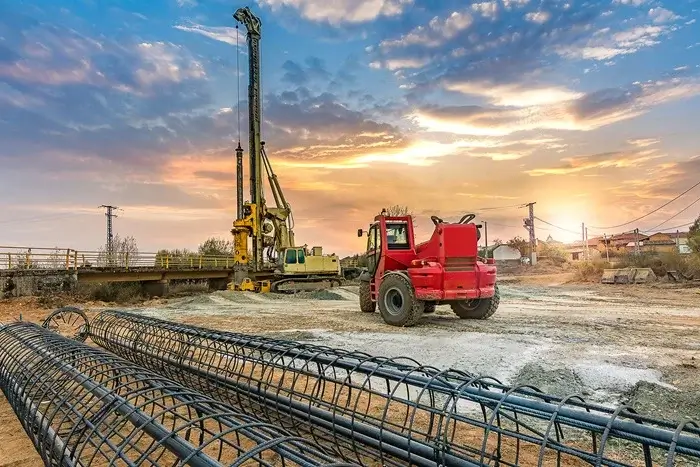
Piling construction is a deep foundation method that uses long structural piles to transfer a building’s weight into strong, load-bearing soil or rock beneath weak ground. It is commonly used for new builds, house extensions, commercial developments, and large infrastructure projects. Piling construction provides excellent structural stability, reduces settlement, and creates safe, long-lasting foundations for buildings.
Every successful building starts with a solid foundation. Whether it is a residential home, commercial office, bridge, or industrial facility, the foundation plays a crucial role in supporting the entire structure. In some cases, standard foundations are not strong enough due to poor soil conditions or heavy structural loads. This is where piling construction becomes an essential solution. At Southern Foundations & Piling, piling construction is used to create reliable and durable foundations that ensure buildings remain safe and stable for decades.
Piling construction is a specialist foundation technique that transfers the weight of a building through weak or unstable soil into stronger, load-bearing layers beneath the ground. By using long structural elements known as piles, engineers can provide exceptional support for buildings where traditional shallow foundations are unsuitable.
Today, piling construction is widely used across residential, commercial, industrial, and infrastructure projects because it offers outstanding strength, stability, and long-term performance.
Table of Contents
ToggleWhat Is Piling Construction?
Piling construction is the process of installing deep foundation piles into the ground to support structures built on weak or unstable soil. These piles are driven, drilled, or screwed deep into the earth until they reach firm soil or bedrock capable of carrying the building’s load.
Unlike traditional foundations that rely on surface soil, piling foundations distribute the weight through deeper ground layers, reducing the risk of settlement, structural movement, and foundation failure.
This technique is especially valuable in areas with clay, sand, peat, made ground, or locations where groundwater affects foundation stability.
How Does Piling Construction Work?
Every piling project begins with a comprehensive site investigation.
Engineers assess:
- Soil composition
- Groundwater levels
- Building loads
- Site conditions
- Foundation requirements
Based on these findings, the most appropriate piling system is selected.
The installation process generally includes:
- Ground investigation
- Engineering design
- Positioning the piling rig
- Installing the piles
- Reinforcing with steel where required
- Filling with concrete or grout
- Constructing pile caps or ground beams
Once completed, the piles safely transfer structural loads into stronger ground, creating a stable and secure foundation.
Types of Piling Construction
Several piling methods are used depending on the project requirements.
Driven Piles
Driven piles are prefabricated steel, concrete, or timber piles that are hammered into the ground using hydraulic equipment.
Advantages include:
- Fast installation
- High load capacity
- Minimal excavation
- Excellent durability
Bored Piles
Bored piles are formed by drilling holes into the ground before inserting reinforcement and concrete.
They are commonly used where vibration must be minimised.
Benefits include:
- Reduced noise
- Suitable for urban areas
- High structural strength
- Excellent accuracy
Mini Piles
Mini piles have a smaller diameter than traditional piles and are ideal for restricted access sites.
They are frequently used for:
- House extensions
- Basement construction
- Underpinning
- Existing buildings
Screw Piles
Screw piles feature helical plates that allow them to be rotated into the ground.
Advantages include:
- Rapid installation
- Minimal spoil
- Low vibration
- Immediate load-bearing capacity
Why Is Piling Construction Important?
Piling construction provides reliable foundations where shallow foundations cannot safely support a structure.
Its main purpose is to:
- Prevent foundation settlement
- Improve structural stability
- Support heavy buildings
- Reduce movement
- Protect neighbouring structures
Without suitable foundations, buildings may develop cracks, uneven floors, or long-term structural damage.
Benefits of Piling Construction
Piling construction offers numerous advantages across different types of projects.
Strong Structural Support
Piles transfer building loads into deeper, stronger ground layers, ensuring excellent long-term stability.
Suitable for Weak Soil
Where surface soil cannot support a building, piling provides a safe and effective alternative.
Reduced Settlement
By bypassing unstable soils, piling significantly reduces the likelihood of future movement.
Long Service Life
Professionally installed piles can provide reliable structural support for many decades.
Faster Construction
Modern piling equipment enables efficient installation while keeping projects on schedule.
Flexible for Different Projects
Piling can be adapted for:
- Residential homes
- Commercial buildings
- Industrial developments
- Bridges
- Schools
- Hospitals
- Apartment blocks
- Retaining walls
Common Applications of Piling Construction
Piling construction is used in many sectors.
Residential projects include:
- New homes
- House extensions
- Loft conversions
- Basements
Commercial applications include:
- Office buildings
- Shopping centres
- Warehouses
- Hotels
Infrastructure projects include:
- Bridges
- Railway structures
- Coastal defences
- Marine developments
Industrial uses include:
- Factories
- Energy facilities
- Storage buildings
Factors That Affect Piling Construction
Several factors influence the design and installation process.
These include:
Soil Conditions
The type and strength of soil determine the required pile depth and installation method.
Structural Load
Heavier buildings require stronger or additional piles.
Groundwater
Water levels can influence both pile design and installation techniques.
Site Access
Restricted access may require compact piling equipment or mini piles.
Nearby Buildings
Projects close to neighbouring properties often require low-vibration piling methods.
Advantages Over Traditional Foundations
Traditional strip foundations rely on strong surface soils.
However, piling offers several advantages:
- Greater depth
- Increased stability
- Better performance on poor ground
- Reduced excavation
- Lower risk of settlement
For many developments, piling provides the safest and most reliable solution.
Choosing the Right Piling Contractor
Selecting an experienced contractor is essential for achieving successful results.
Look for companies that offer:
- Qualified engineers
- Modern equipment
- Detailed site investigations
- Health and safety compliance
- Proven experience
- Transparent quotations
- High-quality workmanship
An experienced contractor ensures the foundation is designed correctly and installed to the highest standards.
Maintenance and Durability
One of the greatest advantages of piling foundations is their durability.
Once installed correctly, piles generally require very little maintenance.
Regular structural inspections can help identify any issues, but professionally constructed piling systems are designed to provide dependable support throughout the building’s lifespan.
Conclusion
Piling construction is one of the most reliable foundation techniques used in modern construction. By transferring structural loads into deeper, stronger ground, piling creates safe and stable foundations even in challenging soil conditions. Whether you are building a home, extending an existing property, or developing a large commercial project, piling offers exceptional strength, long-term durability, and peace of mind.
With several piling methods available, engineers can select the most suitable solution for every project, ensuring buildings remain secure for generations. Investing in professional piling construction not only protects your property but also contributes to the overall safety, performance, and longevity of the structure.
Frequently Asked Questions
What is piling construction used for?
Piling construction is used to create deep foundations for buildings where surface soil cannot safely support the structure. It transfers loads to stronger ground beneath the surface.
What are the main types of piling construction?
The most common types include driven piles, bored piles, mini piles, and screw piles. The choice depends on soil conditions, access, and structural requirements.
Is piling construction suitable for residential projects?
Yes. Piling construction is widely used for new homes, house extensions, basement developments, and underpinning projects where stronger foundations are required.
How long do piling foundations last?
Professionally installed piling foundations can last for many decades and often remain effective for the entire lifespan of the building.
Why is piling construction important?
Piling construction provides strong foundations, reduces building settlement, improves structural stability, and ensures buildings remain safe on weak or unstable ground.